

Subtotal $0.00 รวม: $0.00

Deep Dive into Gartner’s Technology Trends for 2026
In today’s rapidly evolving technological landscape, organizations can no longer afford to stand still. Keeping pace with technological change and effectively adopting new innovations has become a critical factor in organizational development—impacting corporate structure, operational processes, and workforce capabilities. Technology is no longer merely a supporting tool; it has become a core driver of sustainable business growth.
Gartner, a global research and advisory firm in information technology, has announced its Top 10 Strategic Technology Trends for 2026, designed to serve as strategic guidance for organizations worldwide. These trends go beyond technological advancement, highlighting the role of technology as a key enabler of tangible business transformation.
3 Key Technology Trend Groups for 2026 by Gartner
Gartner categorizes the 2026 technology trends into three major strategic groups:
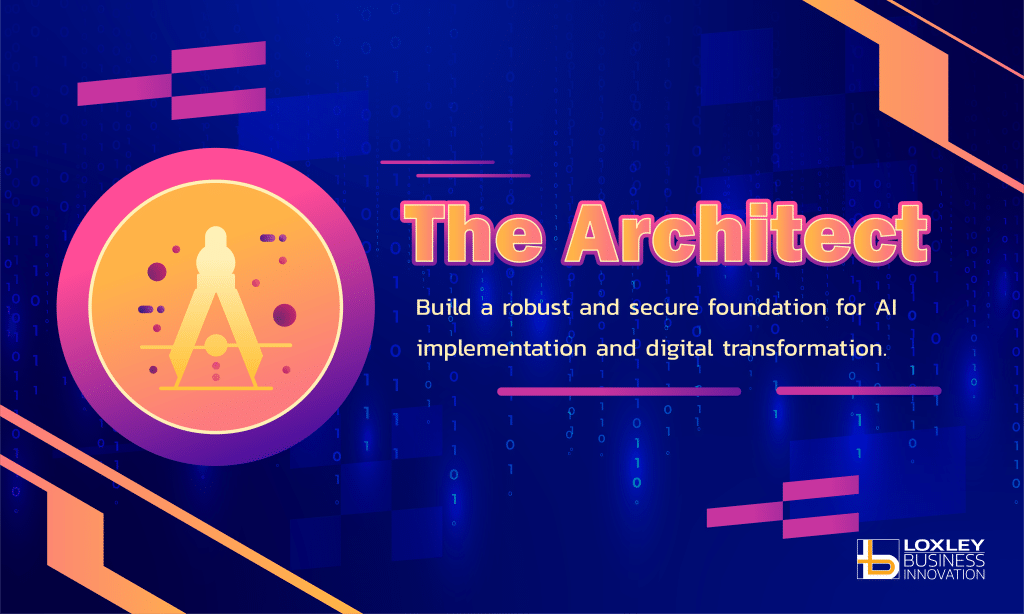
1) The Architect
Building a secure and resilient foundation for AI adoption and digital transformation
Building a secure and resilient foundation for AI adoption and digital transformation
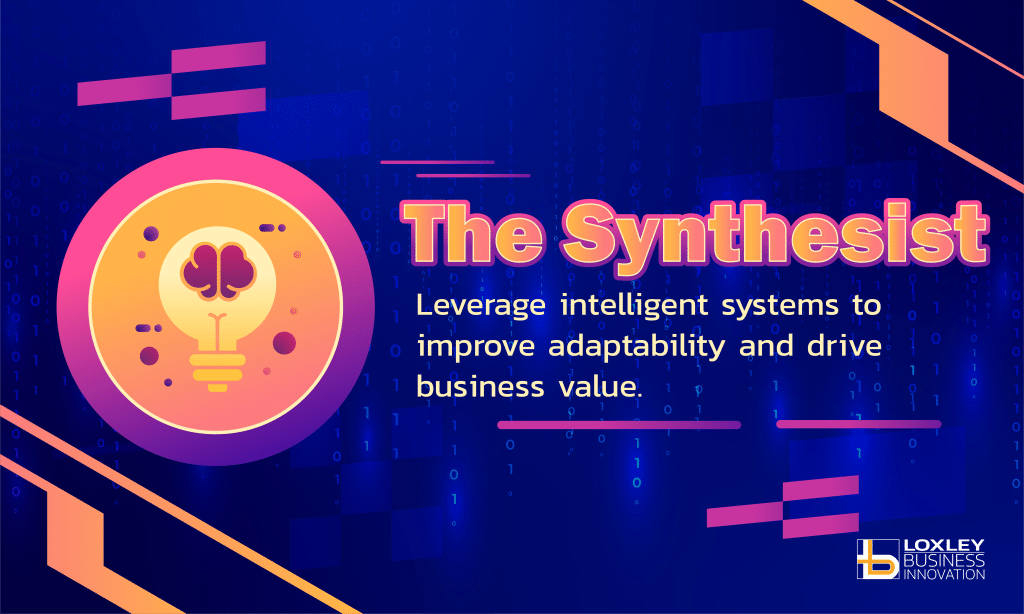
2) The Synthesist
Orchestrating intelligent systems to enhance adaptability and business value
Orchestrating intelligent systems to enhance adaptability and business value

3) The Vanguard
Protecting trust, reputation, and regulatory compliance
This article explores all 10 technology trends for 2026, providing insights to help organizations effectively apply them within their own contexts.
10 Technology Trends for 2026
The Architect
1) AI-Native Development Platforms
These platforms leverage generative AI to accelerate and simplify software development. Gartner predicts that by 2030, 80% of organizations will shift toward smaller, more agile teams empowered by AI.
2) AI Supercomputing Platforms
By integrating CPUs, GPUs, AI accelerators, ASICs, and other computing resources into a unified architecture, these platforms enable the processing of highly complex workloads. Gartner forecasts that by 2028, over 40% of leading organizations will adopt hybrid computing architectures.
3) Confidential Computing
This technology protects sensitive data during processing, enabling secure AI usage. By 2029, Gartner expects that more than 75% of workloads will be protected by confidential computing technologies.
The Synthesist
4) Multiagent Systems (MAS)
MAS combine multiple specialized AI agents that collaborate to manage workflows and complex systems. This approach enhances automation and introduces new operational models where humans and AI work together.
5) Domain-Specific Language Models (DSLMs)
These models are trained or fine-tuned using industry- or function-specific data, delivering greater accuracy, reliability, and regulatory compliance. Gartner predicts that by 2028, more than half of enterprise-used generative AI models will be domain-specific.
6) Physical AI
Physical AI brings intelligence into the real world through perceptive and decision-capable devices such as robots and drones. It is particularly valuable for industries requiring automation, adaptability, and enhanced safety.
The Vanguard
7) Preemptive Cybersecurity
This proactive security approach uses AI to identify and block threats before they occur. By 2030, Gartner estimates that proactive security solutions will account for 50% of total cybersecurity spending.
8) Digital Provenance
Digital provenance ensures the traceability, ownership verification, and integrity of software, data, and AI-generated content—playing a critical role in maintaining trust and credibility.
9) AI Security Platforms
These platforms provide centralized visibility and governance over third-party and custom AI applications, enabling organizations to manage risks and enforce consistent AI controls.
10) Geopatriation
Geopatriation reduces geopolitical risk by shifting workloads to sovereign clouds or regional service providers. This enables CIOs to maintain greater control over data residency, regulatory compliance, and governance.
Conclusion
In summary, Gartner’s Technology Trends for 2026 are not merely forecasts of future innovation but a strategic framework that helps organizations build a robust digital foundation, integrate AI effectively into business operations, and enhance system security and trustworthiness. Organizations that successfully adapt and apply these trends will be better equipped to navigate change, gain competitive advantage, and achieve sustainable growth in the digital era.